
The Mental Health Benefits of Group Activities
Dr. Elena Torres
Pulse Team
A growing body of research suggests that group activities — from team sports to community art classes — can significantly improve mental health outcomes. For mild to moderate depression and anxiety, social prescribing (recommending community activities instead of or alongside medication) is gaining traction in healthcare systems worldwide.
The NHS in the United Kingdom has formally adopted social prescribing, with link workers connecting patients to community groups, exercise classes, and volunteer opportunities. The results have been striking: participants report reduced loneliness, improved mood, and better overall wellbeing.
Why Groups Matter
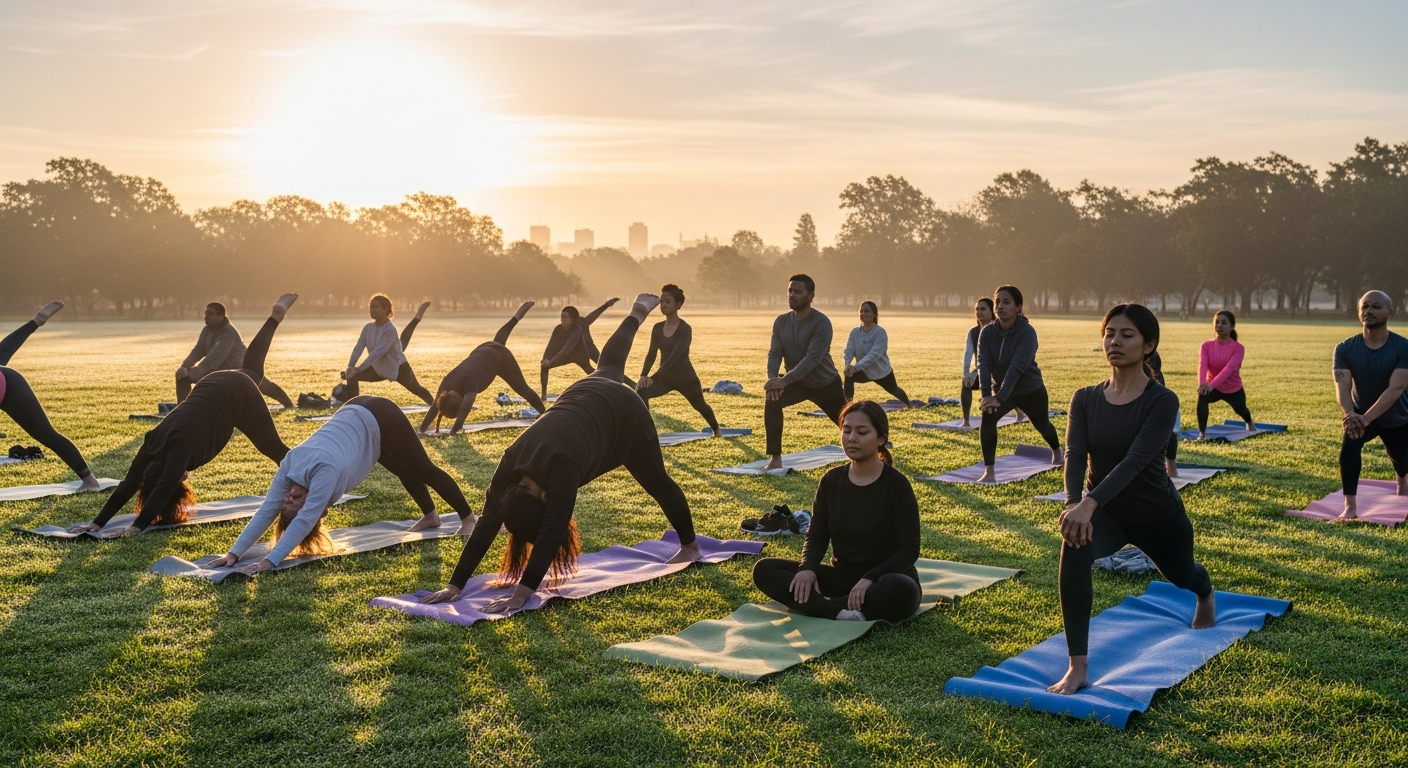
Individual exercise improves mental health. But exercising in a group adds a social dimension that amplifies the benefits. The combination of physical activity, social connection, and shared purpose creates a powerful cocktail of neurochemicals — endorphins from movement, oxytocin from bonding, and serotonin from a sense of belonging.
The Pulse Effect
We hear it constantly from members: 'Pulse is cheaper than therapy and more fun.' While we'd never suggest replacing professional mental health care, we do believe that regular social adventure is a crucial component of wellbeing that modern life has stripped away.
Enjoyed this post?
Pulse helps you find your people and make real-life connections. Join a community near you.
Meet Your Crew