
What Cities Can Learn from Pulse
Sam Okoro
Pulse Team
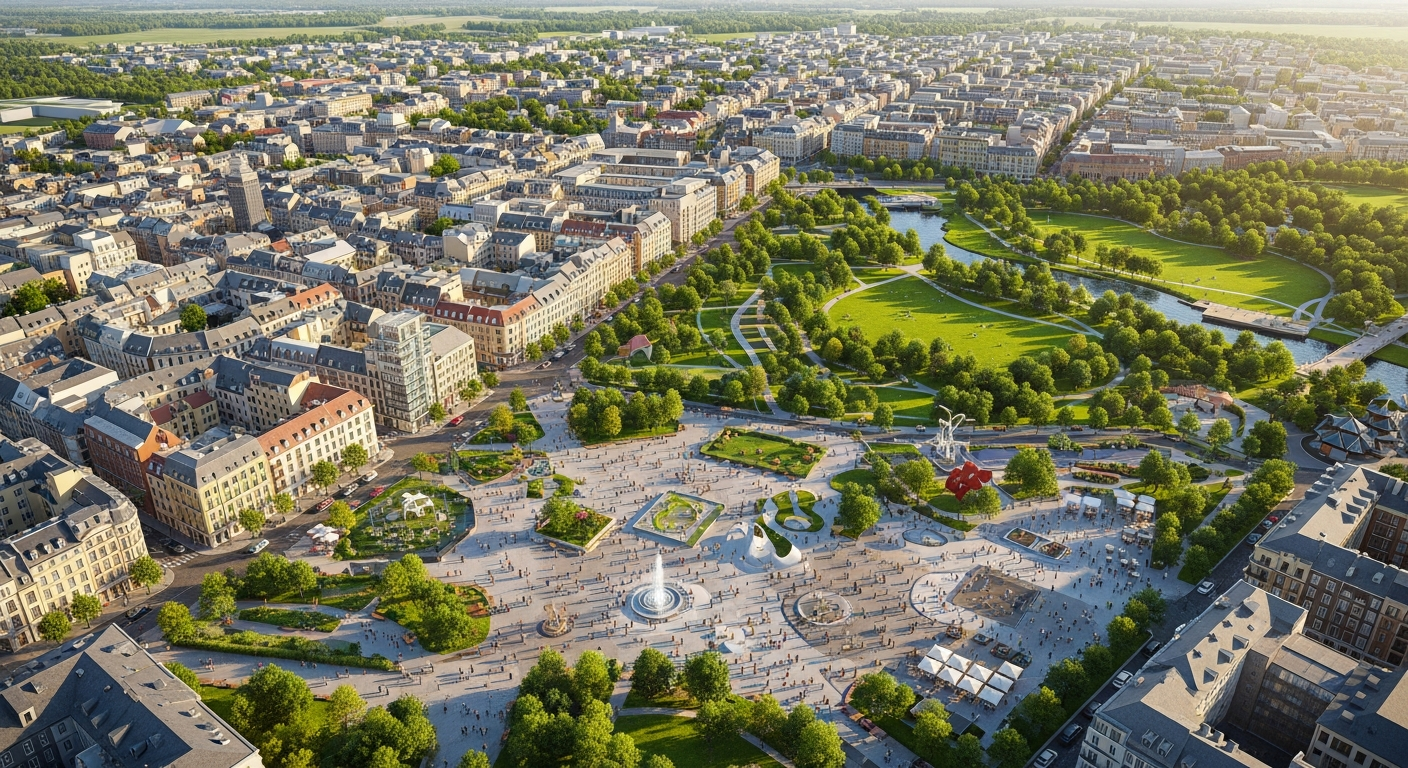
Cities have always been engines of human connection. From the agora of ancient Athens to the piazzas of Renaissance Florence, the greatest urban spaces were designed — intentionally or not — to bring people together. Somewhere along the way, we lost that thread.
Modern urban planning optimizes for traffic flow, commercial density, and housing units. Connection is an afterthought. Parks are built but not programmed. Community centers are underfunded. Public spaces are designed to be passed through, not lingered in.
What Pulse Data Tells Us
After facilitating thousands of adventures across multiple cities, Pulse has accumulated unique data about where and how people connect. Our findings challenge some assumptions about urban social life.
Designing for Connection
The cities that are getting this right — Copenhagen, Melbourne, Medellín — share common traits: walkable neighborhoods, abundant public seating, mixed-use zones that keep streets active throughout the day, and cultural programming that gives people reasons to gather. These aren't luxuries. They're infrastructure for human wellbeing.
Enjoyed this post?
Pulse helps you find your people and make real-life connections. Join a community near you.
Meet Your Crew