
The Science of Social Connection
Dr. Elena Torres
Pulse Team
Human beings are fundamentally social creatures. This isn't a platitude — it's biology. Our brains evolved to function optimally within social groups, and when we're isolated, our neural and hormonal systems respond as if we're in danger.
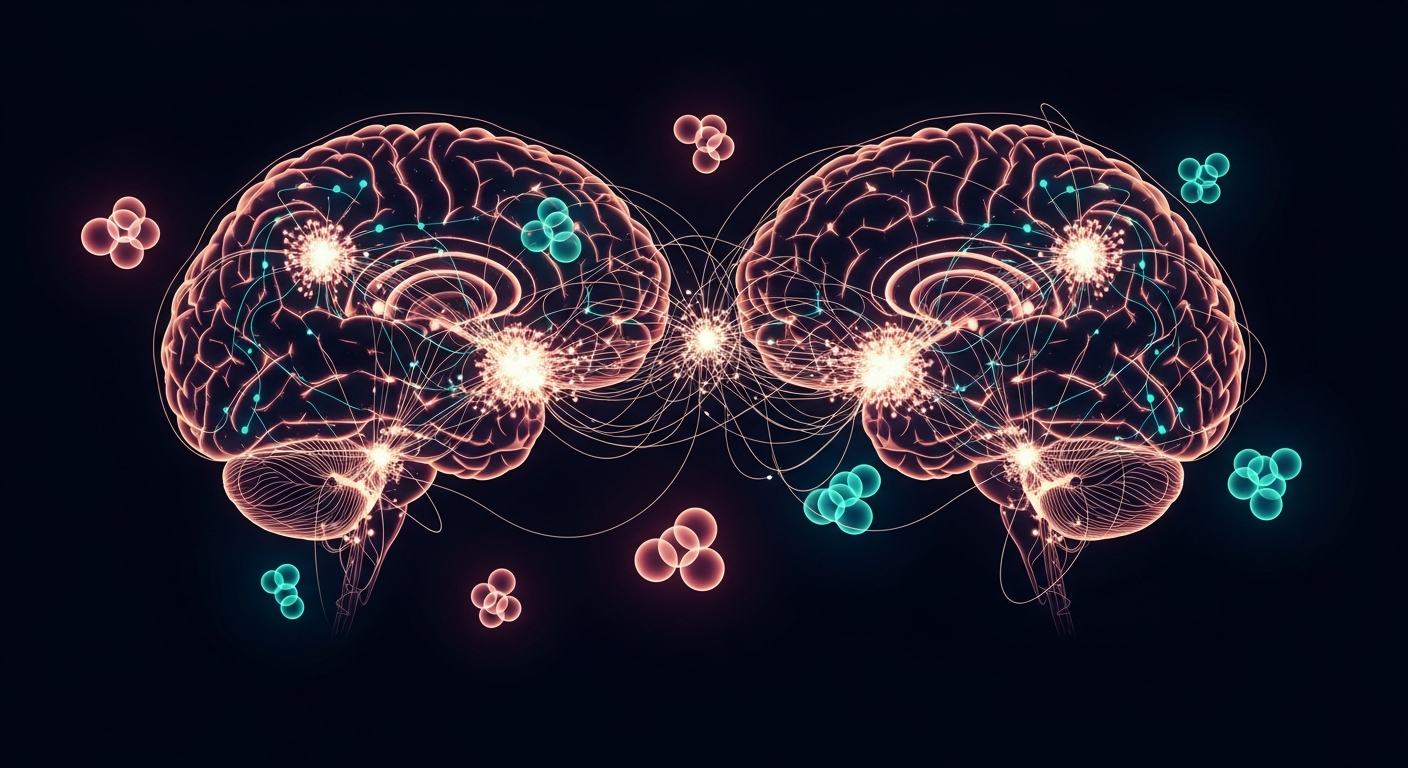
The neuroscience of social connection reveals just how deeply wired we are for togetherness. When we interact face-to-face with someone we trust, our brains release oxytocin, often called the 'bonding hormone.' This chemical cascade reduces cortisol levels, lowers blood pressure, and activates reward centers in the brain.
The Digital Connection Paradox
Here's where it gets interesting: digital interactions don't trigger the same neurological response. A text message or social media like activates dopamine pathways — the same ones involved in addiction — but doesn't produce the oxytocin response that comes from physical presence.
This is why you can spend hours on social media and still feel lonely. Your brain is getting stimulation but not the specific type of social nourishment it needs. It's the neurological equivalent of eating candy when your body needs protein.
The 150 Number
Anthropologist Robin Dunbar's research suggests that humans can maintain about 150 stable social relationships. Within that, we typically have about 5 close friends, 15 good friends, and 50 casual friends. These circles aren't arbitrary — they reflect the cognitive capacity of our prefrontal cortex.
The quality of these relationships matters more than quantity. Having three genuine friends is more protective against loneliness than having 3,000 social media followers. Depth beats breadth, every time.
Building Real Connections
The research points to a clear conclusion: we need regular, face-to-face interaction with people we care about. Not occasional, not virtual, but consistent physical presence. Shared experiences — especially novel ones — accelerate bond formation because they create shared memories and inside jokes.
This is precisely why Pulse focuses on adventures rather than passive socializing. Novel shared experiences are the fastest path to genuine friendship, and science backs this up.
Enjoyed this post?
Pulse helps you find your people and make real-life connections. Join a community near you.
Meet Your Crew